Flooring Installation Services
LUXURY VINYL PLANK
LUXURY VINYL PLANK
LUXURY VINYL PLANK

Synthetic flooring, such as luxury vinyl plank, beautifully mimics the appearance of natural materials like hardwood flooring, offering a stylish alternative that can complement any carpet installation.
STAIR FLOORING
LUXURY VINYL PLANK
LUXURY VINYL PLANK

Stairs flooring, regardless of the type, presents a unique set of challenges. Only 1 in every 10 installers can tackle this task effectively, whether it involves carpet installation, hardwood flooring, or luxury vinyl plank. With many years of training, we are equipped to apply all types of flooring correctly.
TRIM
LUXURY VINYL PLANK
TRIM

This material finishes flooring edges and assists with transitions between different types of flooring, such as during carpet installation, hardwood flooring, or luxury vinyl plank applications. Types of trim include baseboards, quarter round, quarter molding, and shoe molding.
TILE
TRIM

This material comes in many different forms such as porcelain, ceramic, natural stone, and glass. It can be used on floors, walls, showers, backsplashes, roofs, countertops, and exterior cladding. While considering options like carpet installation, hardwood flooring, or luxury vinyl plank, it's important to note characteristics such as water absorption and durability.
HARDWOOD
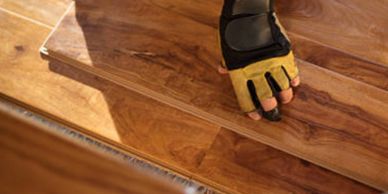
This type of hardwood flooring can be sanded and refinished multiple times, making it a great option for longevity. If you're considering alternatives like carpet installation or luxury vinyl plank, remember that hardwood offers unique durability that can last for years.
VINYL
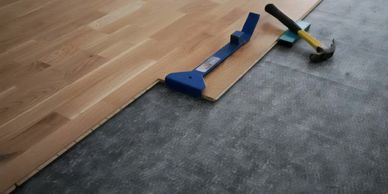
This popular, affordable, and durable synthetic option mimics wood, stone, or tile, making it a great alternative to hardwood flooring. It is known for being waterproof or water-resistant, easy to clean, and comfortable underfoot. Available in sheets, tiles, or interlocking planks (LVT/LVP), this flooring features layered construction for resilience, with a clear wear layer, decorative print, and supportive core, making it an excellent choice for your next carpet installation.
CARPET
CARPET
CARPET

Provides softness, warmth, and sound absorption, made from fibers like nylon, polyester, olefin, triexta, and wool. This carpet installation option features styles that vary from looped (like Berber) to cut pile (like Plush or Frieze) and textured patterns (cut & loop), making it a versatile choice alongside hardwood flooring and luxury vinyl plank.
REMOVAL AND DISPOSAL
LUXURY VINYL PLANK
LUXURY VINYL PLANK
LUXURY VINYL PLANK

The removal of this material depends on its type, whether it's part of a carpet installation, floating, or glued. It generally involves unlocking planks or scraping up glued sections, often using heat to soften adhesive commonly found in hardwood flooring or luxury vinyl plank installations.
VINYL
LUXURY VINYL PLANK
LUXURY VINYL PLANK
Involves crucial prep (clean, flat subfloor, acclimating the luxury vinyl plank), precise templating/cutting using a sharp knife, and adhesive application (full spread or perimeter, depending on type) before rolling out bubbles with a floor roller and finishing seams/edges for a durable finish, much like in carpet installation or hardwood flooring.
TILE
LUXURY VINYL PLANK
HARDWOOD FLOOR
Involves preparing the area for carpet installation (clearing furniture, sealing vents), removing grout, prying up tiles with a hammer and chisel (starting at an edge), scraping away leftover mortar/adhesive, and thoroughly cleaning the subfloor to ensure a smooth surface for hardwood flooring or luxury vinyl plank.
HARDWOOD FLOOR
HARDWOOD FLOOR
HARDWOOD FLOOR
For a successful carpet installation, we need to cut boards into smaller, manageable sections using a circular saw set to the correct depth to avoid damaging the subfloor. After that, use a pry bar to lift the sections, and remove all nails and staples with a pry bar or sweeper, especially when transitioning to hardwood flooring or luxury vinyl plank.
CARPET
HARDWOOD FLOOR
CARPET
This involves clearing the room for the carpet installation, cutting the carpet into manageable strips (around 3-4 ft wide) with a utility knife, and pulling it up from along the walls, which can be a preparatory step before laying down hardwood flooring or luxury vinyl plank.
TRIM
HARDWOOD FLOOR
CARPET
Removal involves carefully detaching molding or panels, often using specialized tools to avoid damaging surfaces. This process is crucial during carpet installation, hardwood flooring, or luxury vinyl plank projects, with a focus on protecting visible areas while loosening nails and adhesive connections.
SUB FLOOR REPAIR
PATCHING
PATCHING
PATCHING

Patching a floor, whether it's for carpet installation, hardwood flooring, or luxury vinyl plank, involves preparing the surface to be clean, dry, and primed. Next, you'll need to choose the right material that matches the existing flooring. The application process requires careful mixing and spreading according to the manufacturer's instructions. Finally, finishing touches are essential for a seamless blend, often necessitating sanding and sealing to ensure a perfect match, especially with hardwood.
LEVELING
PATCHING
PATCHING
Involves meticulous preparation (cleaning, repairing cracks, priming), mixing and applying self-leveling compound (starting from the farthest corner, using tools like rakes and spiked rollers to spread and de-bubble), and allowing it to cure completely to create a smooth, solid base for your new flooring, whether it’s for carpet installation, hardwood flooring, or luxury vinyl plank.
SCABBING
SCABBING
SCABBING
A surface preparation technique using a pneumatic tool to roughen or level a concrete surface is essential, especially before carpet installation or hardwood flooring projects. This technique also applies to strengthening wood by attaching a separate piece of wood (a 'scab') across a joint or weak point, ensuring durability when laying down luxury vinyl plank.
BRACING
SCABBING
SCABBING
To ensure a rigid, stable, and quiet floor, it is essential to prevent floor joists from twisting, bouncing, or deforming. This is achieved by distributing loads and maintaining proper spacing, typically with installation between joists before laying subflooring, which is crucial for both carpet installation and hardwood flooring. Specific fasteners are used to secure this system, providing a solid foundation even when luxury vinyl plank is chosen as the final flooring option.
SPECIALIZED SERVICES
Custom Showers Install/Removal

Shower installation involves careful planning, demolition, plumbing rough-in, installing the pan, waterproofing walls, and setting fixtures. For final finishes like hanging tiles, we use the Rubi System, just as we carefully plan for carpet installation, hardwood flooring, and luxury vinyl plank. Crucial steps include turning off water, ensuring the base is level, and meticulous waterproofing for a leak-free system. Shower installs often take numerous days for completion due to drying.